EDITOR’S PICK: This Laureato is the reason why you should always bet on black
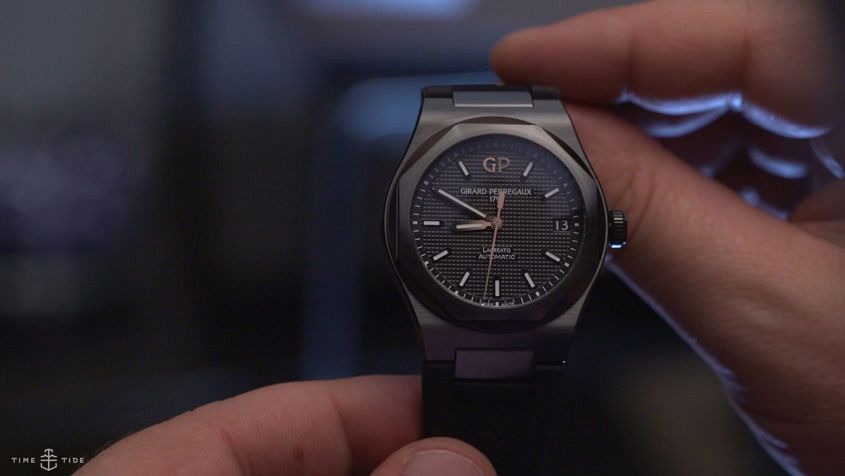 Editor’s note: What is it about an all-black watch that really gets the heart racing? I mean, it’s a neutral colour, like white, silver, or grey, yet just by adding a heavy dose of toner, an entire watch can be transformed. Case (and dial, and strap) in point, the black ceramic Girard-Perregaux Laureato 42mm. A luxury sports watch made, well, sportier. Since its surprise reveal a little over a year ago, the Laureato has become an increasingly significant player in the luxury sports category, thanks to its crowd-pleasing good looks and impressive mechanics. SIHH 2018 showed us that the Laureato is an increasingly important part of GP’s lineup too, as handsome new chronograph variants dominated their latest batch novelties. But I was particularly taken by this black ceramic-on-rubber offering. Announced late last year, to me this Laureato really lives up to its sporty pedigree, thanks to its hard-wearing 42mm lightweight ceramic construction and rubber strap. Now, typically I’d advocate for the bracelet variant, especially on a integrated case style like this, but here I think the rubber really works. It makes the Laureato far more casual, and really wearer-friendly, and better honours the casual spirit of the design. While the bracelet…
The post EDITOR’S PICK: This Laureato is the reason why you should always bet on black appeared first on Time and Tide Watches.
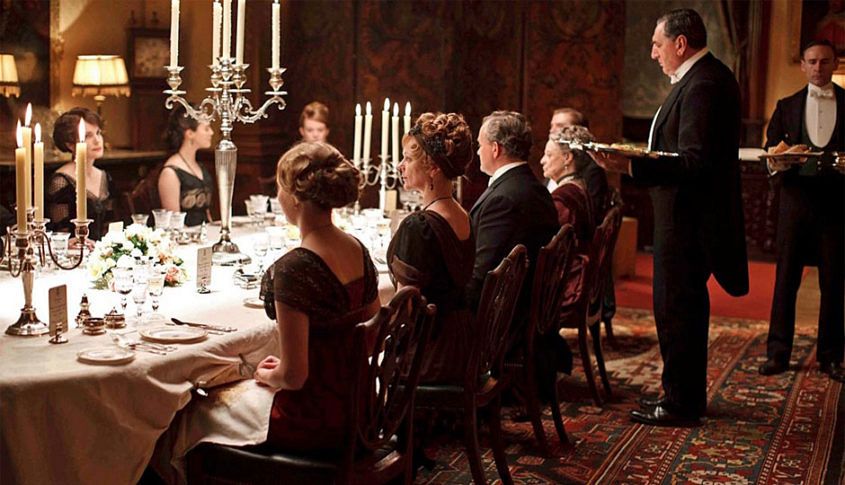 Watches. Turns out they’re not (just) for telling the time. As horology’s true believers (that is, you lot) will no doubt be aware, watches are more than mere objects. They’re a hobby, a community, and – depending on how far gone you are – a way of life. But this interest doesn’t come without its risks. Once it becomes known that you’re *into* watches, people will start asking you questions, sometimes in public settings. Picture the scene: You’re at a nice dinner party with some friends and vague acquaintances – I’m essentially imagining Cluedo (Clue, for our American friends). Your buddy, let’s call him Colonel Mustard, says, “I say, Professor Plum, why don’t you tell everyone about the watch on your wrist … how much did it cost again?” And rather than go all Professor Plum, in the library, with the Rolex, you tell a story. You know the story, the default ‘this is why I like watches’ story. We’ve all got one. So, in the interests of community service, we’re going to share ours. Justin’s Seiko in the rough This is an interesting one, as I try to avoid going down the watchgeek rabbit hole in most instances, unless…
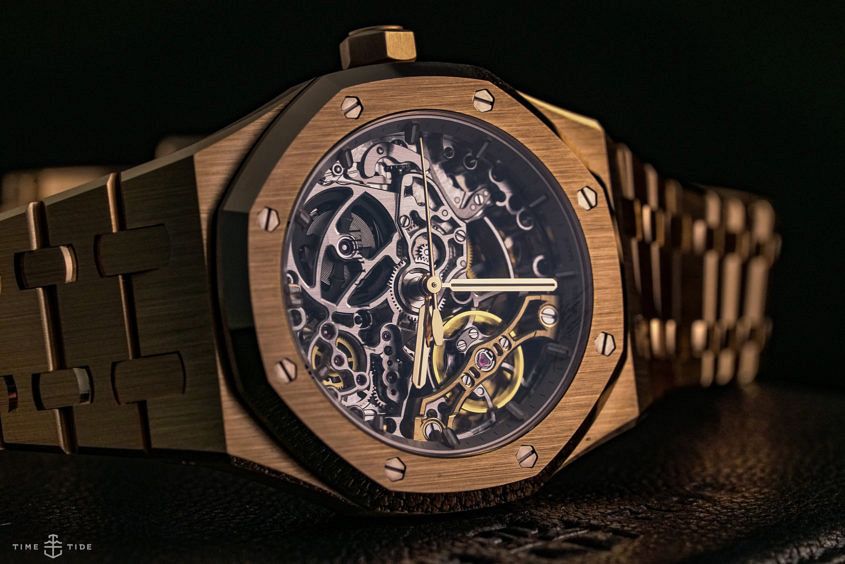 Editor’s note: In case you missed it, this week we were told that from 2020 onward, both Richard Mille and Audemars Piguet would no longer be showing at Salon International de la Haute Horlogerie (SIHH), as they shift their focus 100 per cent to their boutiques and customers, and look to spread their releases throughout the entire year. Well, needless to say, the news had us feeling a little down in the dumps. I’m not sure if this is going to help or hinder, but now seems as good a time as any to look back in delight at one of AP’s best: the Royal Oak Double Balance Wheel Openworked. One of the finest openworked watches on the market right now (and one that, paradoxically, didn’t make our list of skeletonised watches) is the Royal Oak Double Balance Wheel Openworked from Audemars Piguet. Visually, this pink gold case with predominantly steel movement architecture is everything you’d expect — that classic RO case and bracelet looking boss, with a deep, complex openworked dial. And while legibility is the main concern here (there’s not a heap of contrast between the movement and those gold hands, compared to earlier versions with a grey movement…
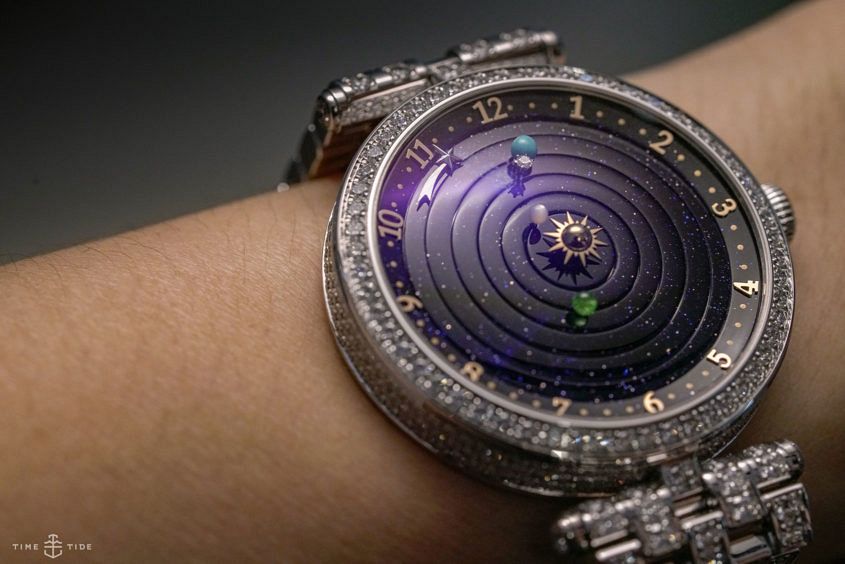 The most straightforward definition of the word complication is “a difficulty”. But not to state the obvious, nothing is simple about being complicated. And as watchmakers and watch lovers know, when it comes to watches and their complications, there’s far more than just their difficulty of design and manufacture to appreciate. These added intricacies built into a watch’s movement provide extra functionality that many of us find incredibly handy to use. But are they all really that useful? Not really, but we love them anyway. Here are five examples where usefulness is trumped by straight up awesomeness. The Planetarium Showing the relative positions of some or all of the planets in our solar system, a planetarium complication is by far one of the coolest of the bunch. But unless you plan on navigating to our celestial neighbours as a citizen astronaut with SpaceX, or you absolutely must know if Venus is in Libra, is that really something you would ever need to know? Really, though, it’s knowing that with only a quick check of the wrist I could tell you that Mercury is rounding the Sun for its third time this Earth year that makes the planetarium so special. The…
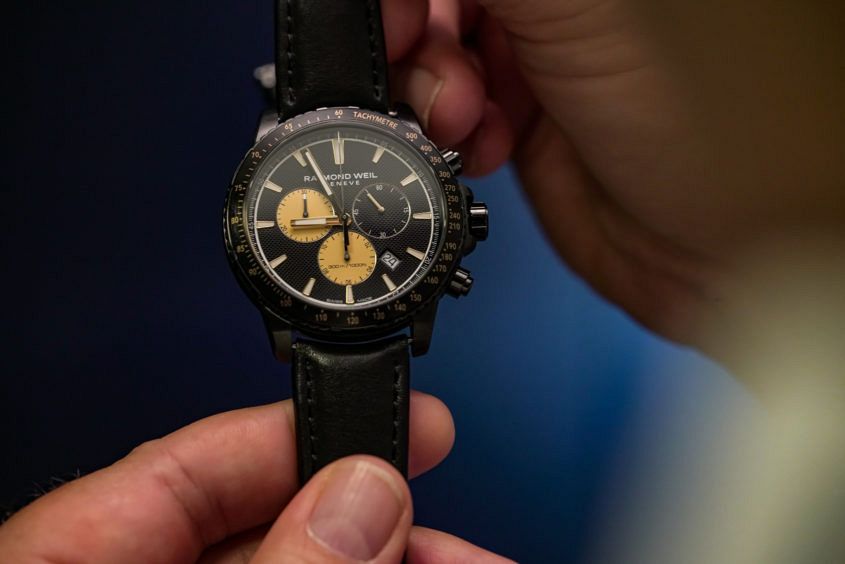 It’s all about the music, man, it’s always been about the music. At least it is for Raymond Weil. And the Swiss-made brand’s Music Icon Series. Not only does it feature limited-edition tributes to artists such as Bob Marley, David Bowie and The Beatles, but it also pays homage to the instruments and equipment that brought these iconic performers their god-like status on stage. Introduced at Baselworld 2018, the latest in Raymond Weil’s line of musical collaborations is with famed amp maker Marshall. Known for their signature Marshall “crunch” sound, the British manufacturer of guitar amplifiers and loudspeaker cabinets holds status amongst the rock elite thanks to the seminal amp’s ear-bleeding loudness and its unmistakable rock ’n’ roll sound. Before we get to the list of potential wrist rockers, let’s quickly run through the basics. Incorporating many of the instantly recognisable design traits of a Marshall amp, the 43mm PVD-coated case of this brand-new Tango is none more black (any Spinal Tap fans?), while its textured dial is surrounded by a white ring – like the outline of the iconic amp – and reminiscent of the external grill of an amplifier. Gold subdials, which measure the elapsed time of the…
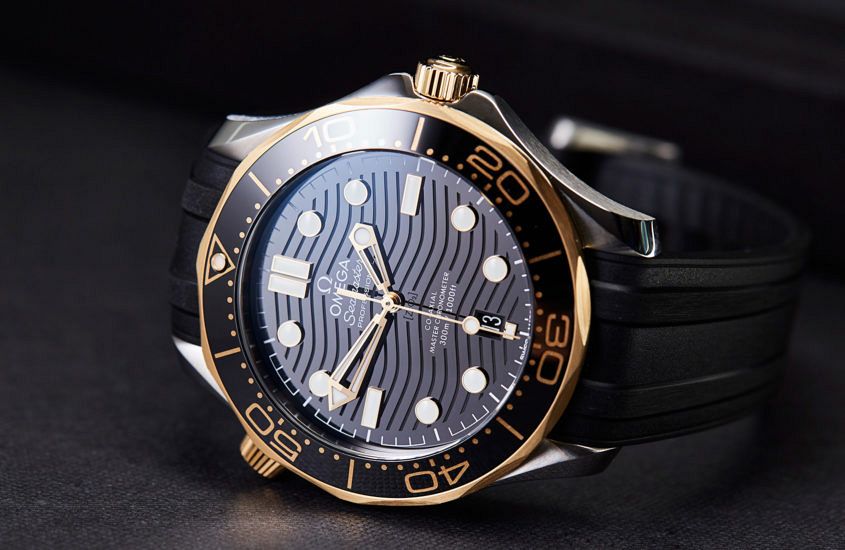 While our friends in the Northern Hemisphere are busy layering up and generally bracing themselves (à la Ned Stark) for winter, here in Australia the story is a little different. I’ve been living dangerously for the last few weeks, leaving my umbrella at home, and on a few days I’ve also risked leaving the jacket at home. Spring is most definitely here, and that means that summer, with its long, light evenings and blistering sun, is just around the corner. But I’m presuming you didn’t come here for your latest Bureau of Meteorology updates – you’re here for watches. And, boy, have I got a doozy for you today. One of the latest Seamaster Diver 300Ms from Omega – I think the best option for summer watch I’ve seen in a long time. Quick sidebar. You might be wondering just what a summer watch is. Well, there are no hard and fast rules, and it’s something entirely subjective. Having said that, for me, a summer watch is a timepiece that evokes a more carefree attitude, a relaxed feeling and something that — to paraphrase Jeff Lebowski — really brings the outfit together. For me, this steel and gold Seamaster does…
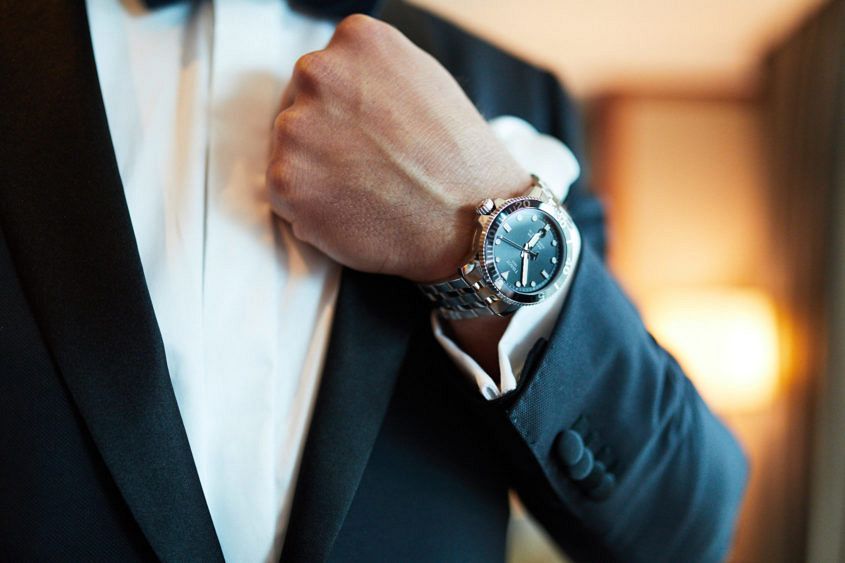 Last night the Australian Football League (AFL) celebrated its night of nights, the Brownlow Medal. Regarded as one of the most important events on the Australian sporting calendar, it’s akin to American Football’s Heisman Trophy or the world game’s Ballon d’Or. Needless to say, it’s kind of a big deal around these parts. Especially (at least for us) when there are watches involved. At an intimate event held just prior to the players’ stroll down the red carpet, Tissot welcomed six of the league’s best to their Brownlow Suite at the Crown Towers Crystal Villa room — fitting each one with a new model from their collection, as they took part in an exclusive tasting of the World’s Best Single Malt Whisky, sourced from Australia’s own Sullivans Cove Distillery and valued at $11,000 a bottle. Co-hosting the event was Hawthorn midfielder Tom Mitchell, who walked into the event as the heavy Brownlow favourite after an impressive season that saw him average 35.3 disposals a game, with a record-breaking 848 on-field possessions for the season. To no one’s surprise, and with 28 votes, he strolled out with the Charlie around his neck, and Tissot’s dressy Chemin des Tourelles Powermatic 80 on…
 Editor’s note: The year is 1995, and James Bond has returned to Russia to retrieve the stolen access codes for “Goldeneye”, a deadly satellite weapon system that has fallen into the hands of his toughest adversary yet — the once believed dead former agent 006. Armed with his trusty Walther PPK, he must save the world and get the girl, all while wearing the Omega Seamaster Professional 300m on his wrist. Fans of the series will know this is the very first time we see the agent with a licence to kill wearing an Omega. This year the watch that is the choice of underwater explorers — and, more importantly, undercover spies — has been given a complete makeover. And we thought it was fitting to revisit this golden oldie and take a look back at four of the best Seamasters and their connections to the spy that wore them. James Bond is always running out of time. Every second that slips away sees the missile nearer to launching, the girl’s life slipping further away, global catastrophe looming ever closer. Time matters for Bond in a way few of us can understand, and this, along with his unfailingly suave style, go a long way to…
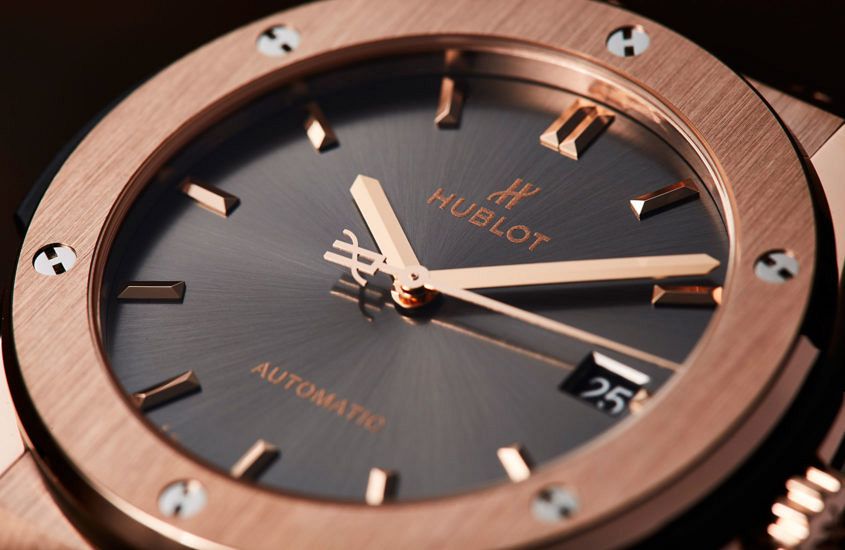 Editor’s note: After the seemingly despised date window, one of the hottest of hot-button topics in the world of watches is bezel screws. If you say “I really hate it when the bezel screws on a watch aren’t lined up” out loud, it sounds a little ridiculous, but when you really, really care about something, the details all make the difference. But should those screws be aligned? And are they even screws? Read on … “Such a shame they don’t take the time to align their screws. I wouldn’t buy one purely because of this.” Every time we post a picture of a watch with exposed bezel screws (mostly Hublot or Bell & Ross) we get a variation of this comment. And I’m well and truly over it. While many brands use exposed screws on bezels, the most commonly cited example is that of the iconic Royal Oak from Audemars Piguet. It’s certainly what all the commenters on our social feeds reference when they’re lambasting other brands for their inability to align screws. But you know the funny thing? The screws on the AP’s bezels aren’t screws. In fact, they’re threaded nuts which fit neatly and immovably into the perfectly…
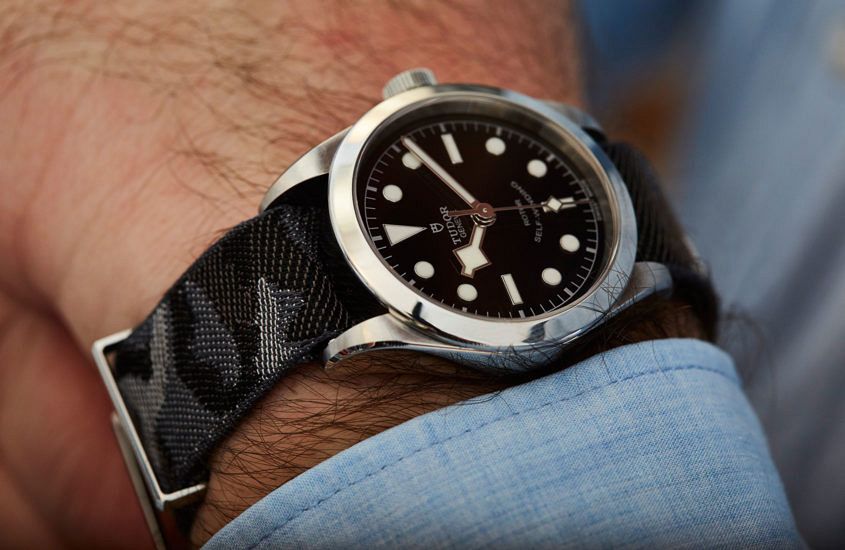 Editors note: I wrote this story back in 2015, and I’m pleased to say that the passage of time has somewhat vindicated my opinion. Some brands, like Tudor, Oris and IWC, have been releasing new 36mm watches with unisex appeal, so the size seems to be catching on. And while the 47mm big boys of the industry are still there, they’re not as omnipresent as they were a decade ago. Is the swing back to smaller sizes a return to sanity, or just another trend? If you ever have the opportunity to try on a watch made before the ’50s, we’re willing to bet you’ll be astounded at how small it feels. Back then, anywhere between 30mm and 36mm was considered normal, while everything more than that tended to be described in auction catalogues as ‘oversized’. And often these smaller pieces languish, unsold, unloved and unworn. How did it come to this? For decades, men were as comfortable with petite models as they were their bulkier brothers, but things started changing in the ’90s. Spurred on by the rising popularity of brands such as Panerai and IWC, we witnessed the birth of the ‘Big Watch’ trend, as average diameters crept…