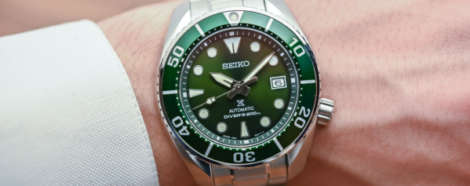
LIST: 3 things you need to know about the Seiko Prospex LX collection, according to the man who designed them
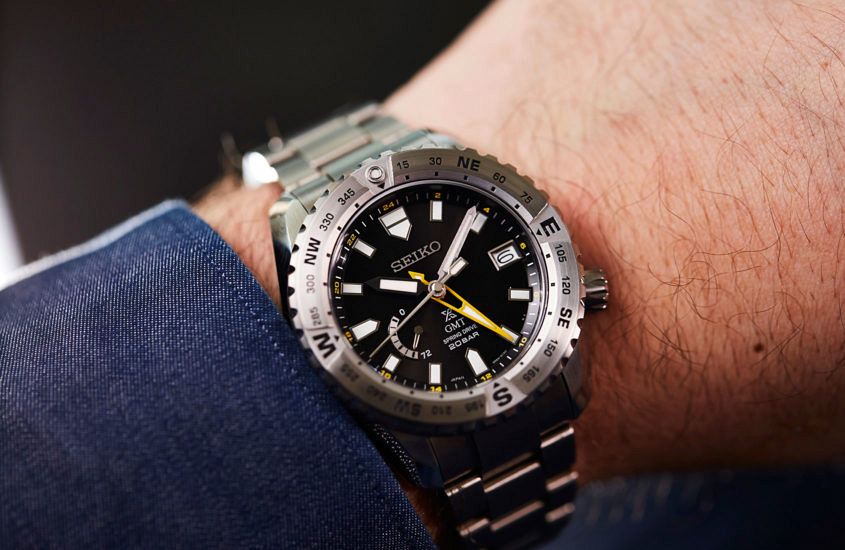 Seiko’s Baselworld press conference is one of my few must-not-miss appointments, if only for a much-needed dose of humour. But for me, the real star of this year’s affair was Ken Okuyama. Mr Okuyama is an industrial designer with an eponymous studio, who made his name in the world of prestige cars, with a folio including such epic vehicles as the original Honda NSX, the Enzo Ferrari and the Ferrari California. And while much of his career has been spent with some of the great European marques, he’s recently turned his eyes homeward, working on raising the profile and prestige of Japanese and Asian brands. Which is why he’s the creative mind behind the brand new Prospex LX collection. Here are three things that stood out to me about how Mr Okuyama intends to make these watches stand out. “When left alone, heritage becomes antique” Evolution is required to make a modern value for a brand’s heritage. Mr Okuyama reiterated that for luxury brands, design continuity is critical. For all that a Porsche 911 from the ’60s looks the same as one from 2019, they’re completely different objects. The same is true for Seiko’s professional series watches. “Simple, robust and…
The post LIST: 3 things you need to know about the Seiko Prospex LX collection, according to the man who designed them appeared first on Time and Tide Watches.
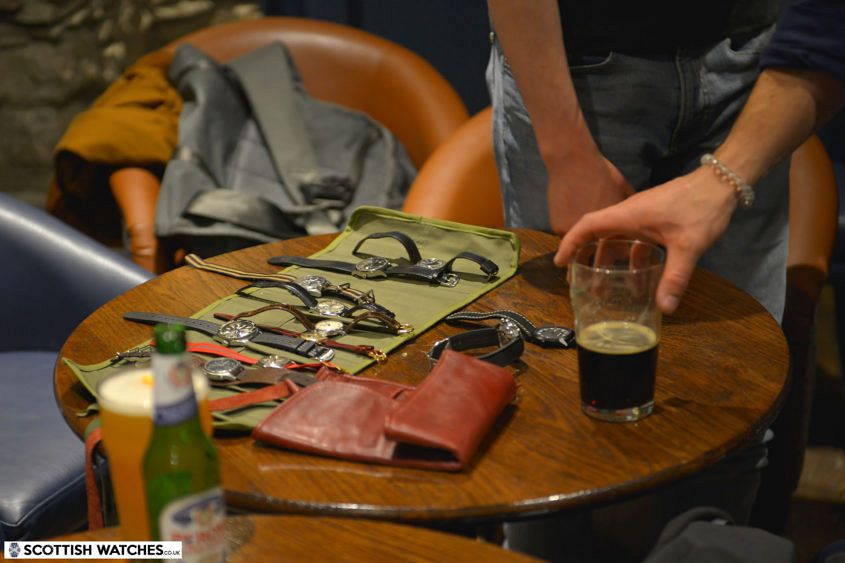 Maybe I’m getting old and grumpy (I am), or maybe it’s a genuine shift driven by the increasing visibility and Instagramability of this hobby/lifestyle choice/money pit we call watch collecting, but I’m noticing an increasing homogeneity in what people are collecting. Steel sports this, royal that, unobtainable the other. Where are the weird, interesting and (most importantly) individual watches? Well, clearly I’m not alone in this, as my Aussie mate Roman has written a piece on just this topic for Scottish Watches (gosh, it’s like a low-key racist joke here — all we need is a bar to walk into). Worth a read, but if you want the TL;DR version – next time you’re heading to a GTG, leave the Sub at home. Read the story here.
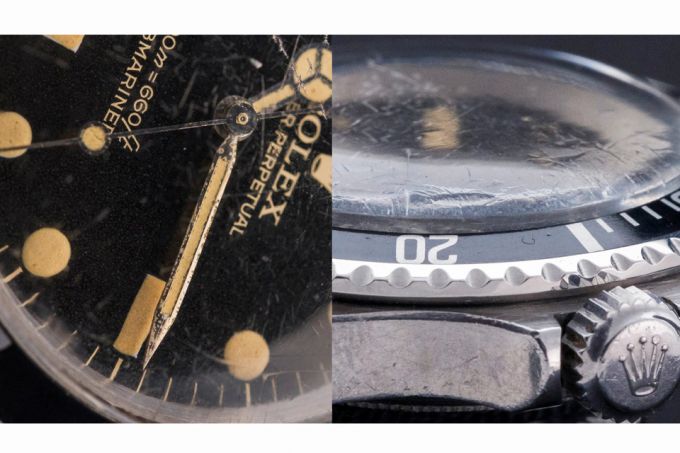 Well, that’s the somewhat provocative title of this piece by Alex Williams, which cites numerous high-profile celebrities wearing high-ticket price vintage pieces as the driver for this ever-rising tide. For people reading T+T regularly, it’s the tale of ever-increasing premiums on seemingly innocuous sports watches. But, to give credence to the bitcoin hook in the title, there’s a healthy dose of qualified scepticism about the skyrocketing investment potential, and the risks that come with the rewards. The most interesting part for me was the coda of models to watch, which included the usual suspects with a few interesting outliers. Are we ready for a Camaro boom? Read the full article here.
 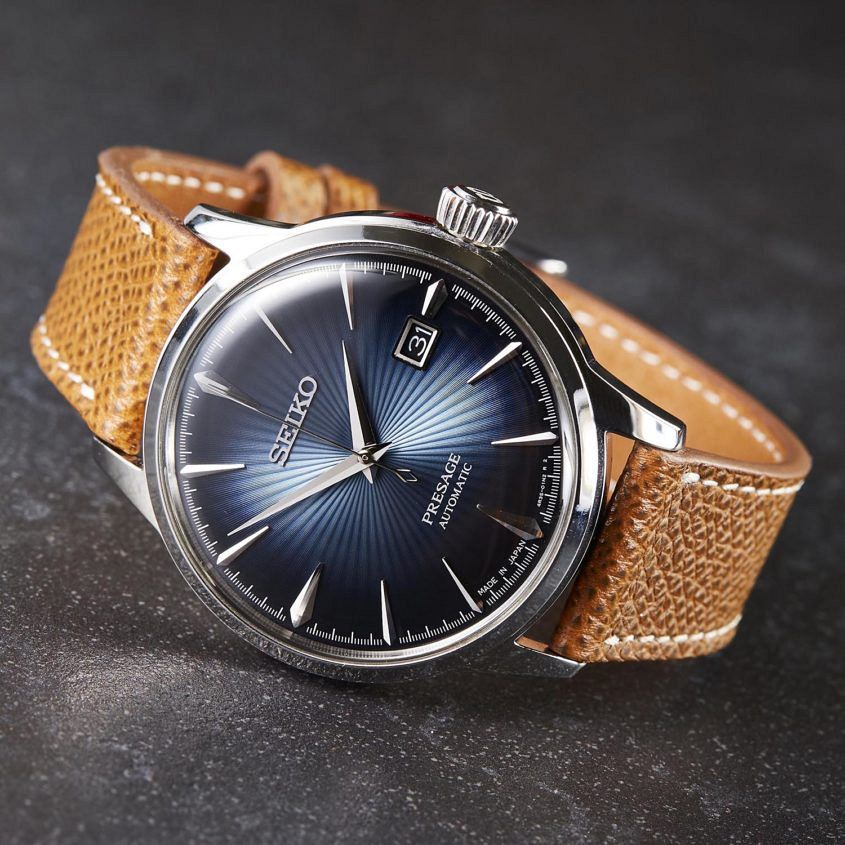 Editor’s note: My first proper manufacture visit wasn’t Switzerland, but Japan. And honestly, the experience has spoiled me. The breadth and scope of Seiko’s watchmaking capacity really is staggering. Read on to find out why … I’ve always liked Seiko. One of the first watches I ever bought was a Black Monster, followed by an ever-rotating roster of rock-solid SKX divers as well as the odd vintage piece, including an original Turtle, a 6139 ‘Pogue’ chronograph (sadly missed) and not one but two 4006-6031 Bell-Matics (neither of which are currently running, but that’s a different story). So when Seiko Australia invited me to tour the company’s Japanese production facilities (wearing an Astron), I jumped at the chance. It’s fair to say I had some pretty solid preconceptions about what I’d experience. I was super-pumped to see the Micro Artists Studio, and Morioka, where Grand Seiko is assembled. Turns out I was not prepared, at all. My ideas about Seiko were not wrong, exactly, but they certainly fell short of capturing the scale of the operation. Day one’s hour-long presentation outlining the corporate structure made that crystal clear. The multiple factory tours and huge rooms full of people and equipped with machinery both modern…
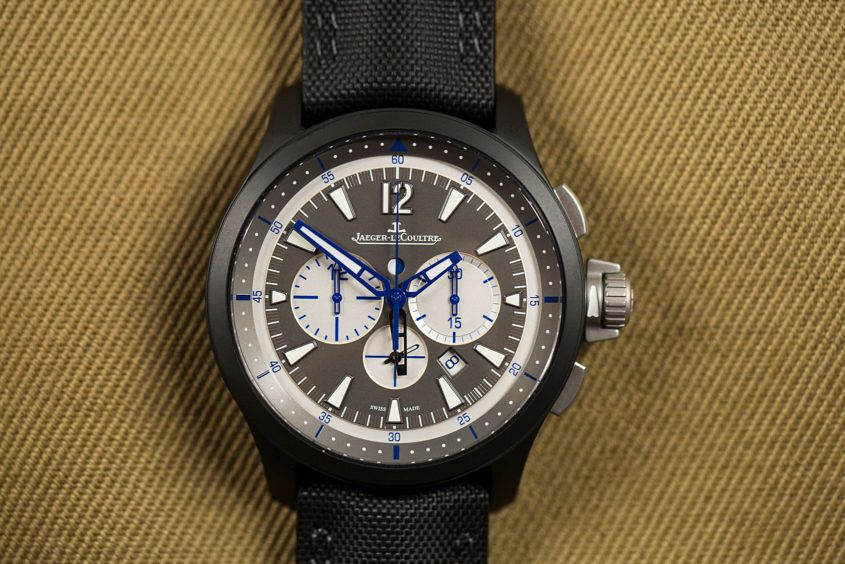 Editor’s note: Whether you’re a wannabe operator or just in love with the stealth appeal of ceramic, this JLC is pretty much the definition of tacticool, even with the blue details. Based on the coverage of Jaeger-LeCoultre’s SIHH releases, it’d be fair to assume the brand put out nothing but dressy Reversos this year. Well, that’s not true. One of the more under-the-radar releases was a handsome update to the Master Compressor Chronograph Ceramic. Physically and functionally, the new version is unchanged from the 2014 original. It’s still the same imposing black ceramic 46mm case, paired with a technical-looking ‘Trieste’ calfskin strap and utilitarian dial layout. What’s new is the colour scheme. Previously, the Master Compressor Chronograph ran with the ever popular black-on-black with red highlights, but JLC has softened this approach, replacing the red flashes with a navy blue, and adding contrast to the dial, thanks to the pale grey chronograph subdials and minutes disc. And while a fresh coat of paint isn’t the biggest innovation in the world, it’s remarkable the difference it can make. The military feel of the watch is greatly toned down, making it feel lighter, and even more summery. More yacht, less attack helicopter. Aside from the new look,…
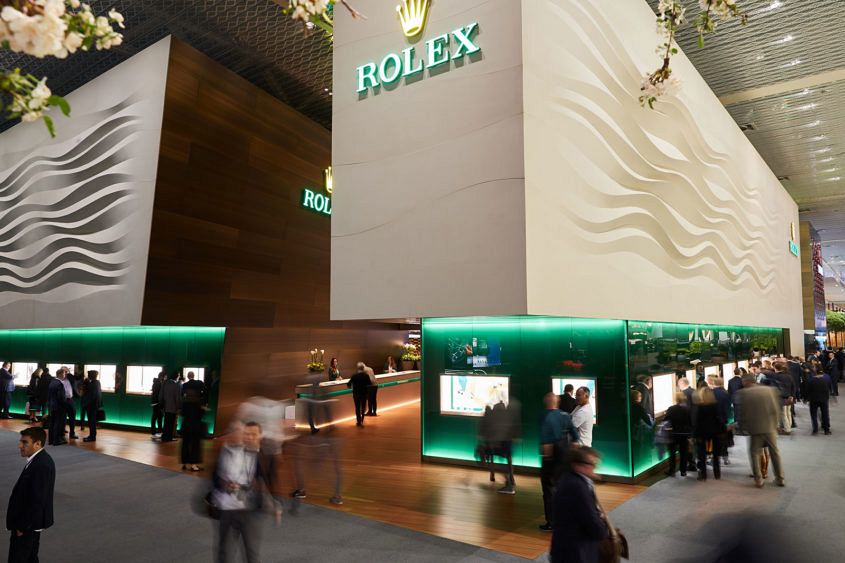 It’s now 10 days since Baselworld 2019 ended – but it feels like yesterday. Or half a lifetime ago. That’s what a week of viewing hundreds of new watches through a haze of severe jet lag, industrial quantities of caffeine and minimal sleep does to you. But with time comes recovery, and with that comes perspective. So now seems like a good moment to look back on what was always going to be one of the most keenly anticipated Baselworlds in the fair’s century-plus existence. Keenly anticipated but not necessarily in a good way. I hardly need to repeat that the past year has been an annus horribilis for Baselworld, with Swatch Group jumping ship along with hundreds of smaller companies, and the fair’s entire management team being replaced. For some, anticipating Baselworld 2019 was akin to a ghoulish fascination with an impending car crash – waiting and watching to see how bad it would be. Schadenfreude in spades. Others hoped (and some, I suspect, even prayed) that the changes announced by the new management would pull the ship back from the rocks. Boring? Hardly. One of the most entertaining (not-boring) things about Baselworld – and SIHH for that matter…