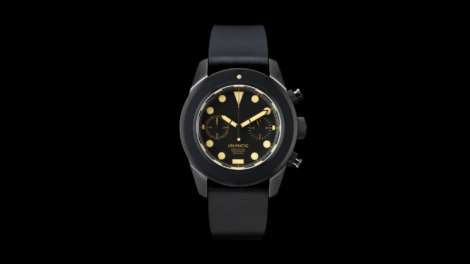
Visiting the Panerai Manufacture, the Brand’s Highly Efficient Production Site (With Exclusive Live Pics)
The Panerai manufacture was completed in 2014 and is currently headed by Jean-Marc Pontroué. Located on the outskirts of Neuchâtel, the 10,000sqm building was constructed with eco-compatible standards. It gathers all product development and production teams under one modern roof to operate the brand manufacturing activities (parts, movements and casing). There, 250 people carry out their specialist work. In addition to the Swiss manufacture, Panerai’s headquarters are located in Italy where key corporate functions, such as design and marketing, take place.



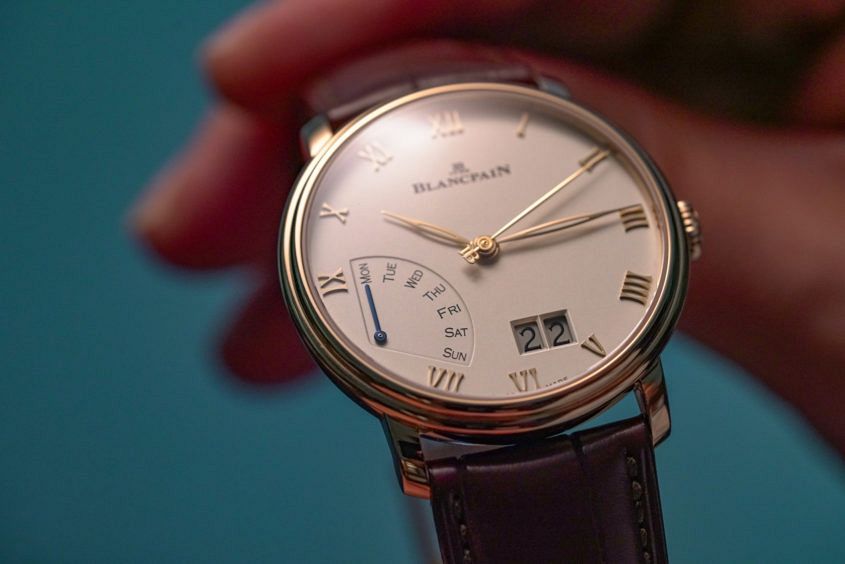 Named after Blancpain’s picturesque Swiss village home, the Villeret collection represents the spiritual heart and soul of the brand. Marking the point at which the Maison’s centuries-old elegance meets modern-day innovation, with each model designed with pure lines, slim case profiles, and clean dials that embody the enduring respect Blancpain holds for traditional watchmaking. The latest addition to the Villeret family is the Grande Date Jour Rétrograde, which, if your French happens to be tres magnifique (and much, much better than mine), you may already recognise as a classical Villeret with both a large date and a retrograde day display. The very first time we’ve seen a retrograde indicator used for the day of the week in the Villeret collection, the display fans out from 9 to 7 o’clock, snapping back from Sunday to Monday with the beginning of each new week. While sitting asymmetrically, just opposite, are dual Grande date windows that, along with the blue hand of the retrograde display, instantaneously change at the turning of each new day. This off-centred look adds a degree of interest to an otherwise cleanly styled opaline dial, with golden hour markers fashioned in the familiar Roman numeral style that’s found throughout…
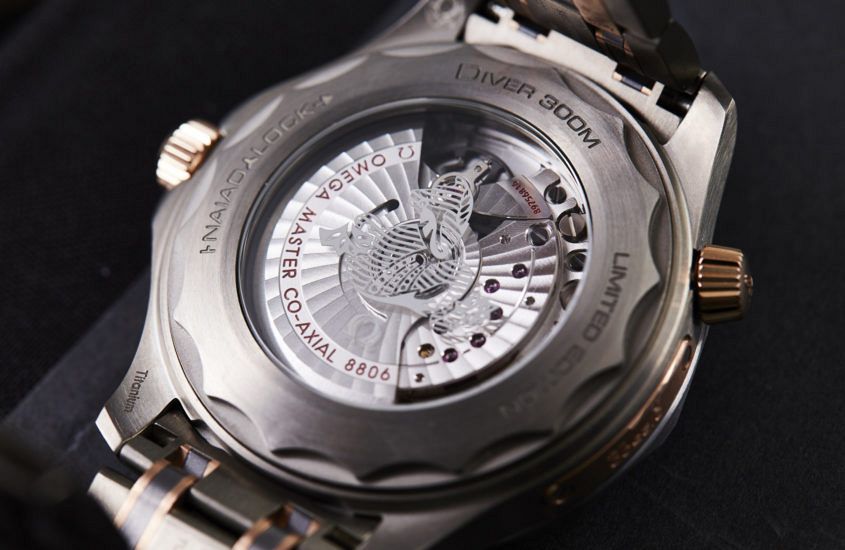 In the constant cycle of new releases, it’s easy to lose sight of the fact that watches are machines built to last for generations — with a little regular care and love. And while you and I might be there obsessing over the year’s hottest release, or wondering what’s coming next, Omega takes a longer view. Which is only to be expected, given that over their 170-odd years of history, watchmaking technology has changed quite a bit, and Omega has kept pace with this change, every step of the way. And while in the first half of last century they were busy forging ahead with improving accuracy, automatic movements, and protecting against water and dust, the 21st century heralds new obstacles for mechanical watches, with new solutions. One such solution is the Co-Axial escapement, a more stable and efficient mechanism developed by George Daniels and industrialised by Omega. The first commercial Omega Co-Axials were released in 1999, and quickly became the foundation of Omega’s increasingly impressive and sophisticated in-house offerings. More recently, Omega opened their brand new facility — a significant infrastructure investment that gives them plenty of room to grow. And on top of that, Omega recently announced an…